






About the Azm-e-Pakistan Initiative
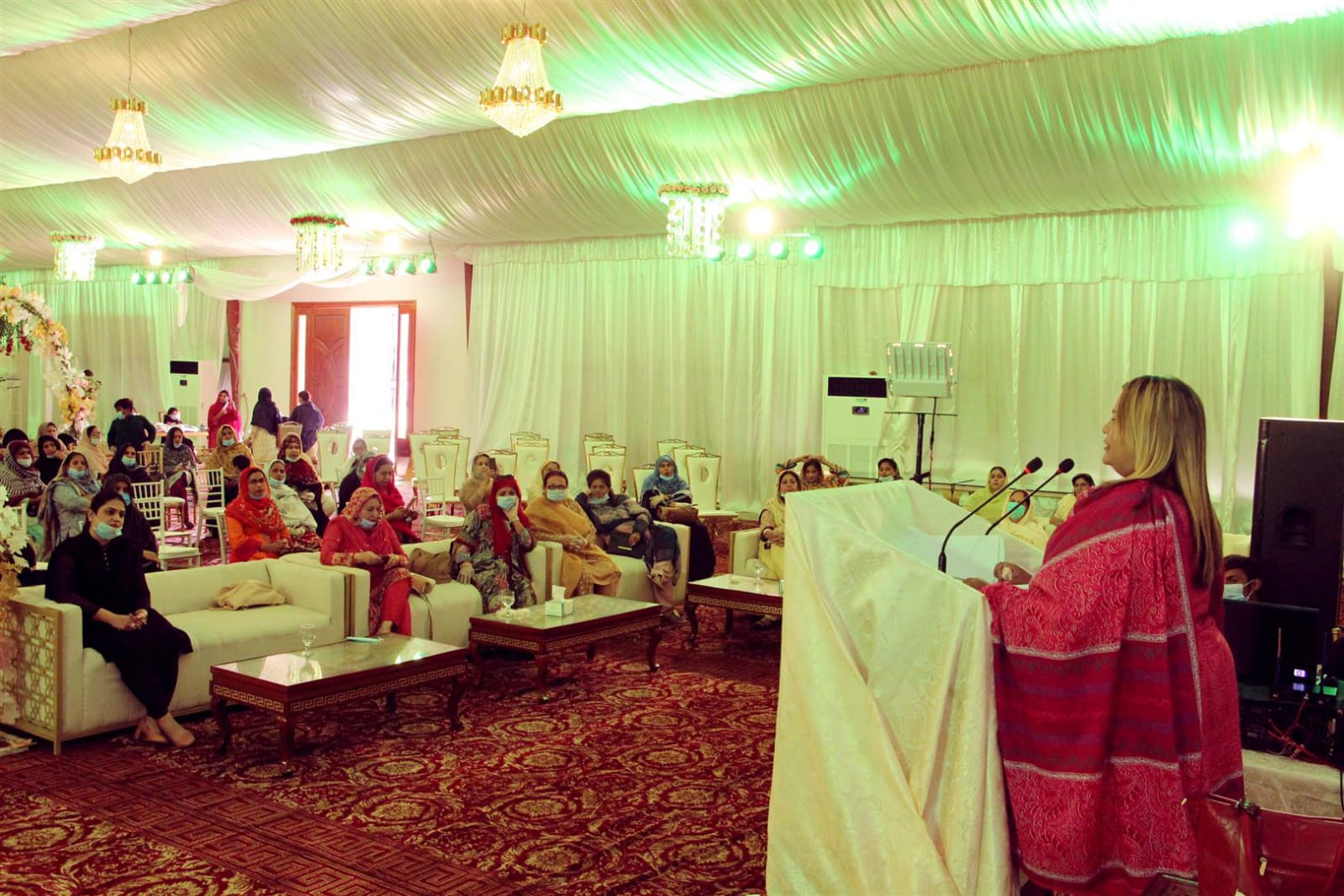
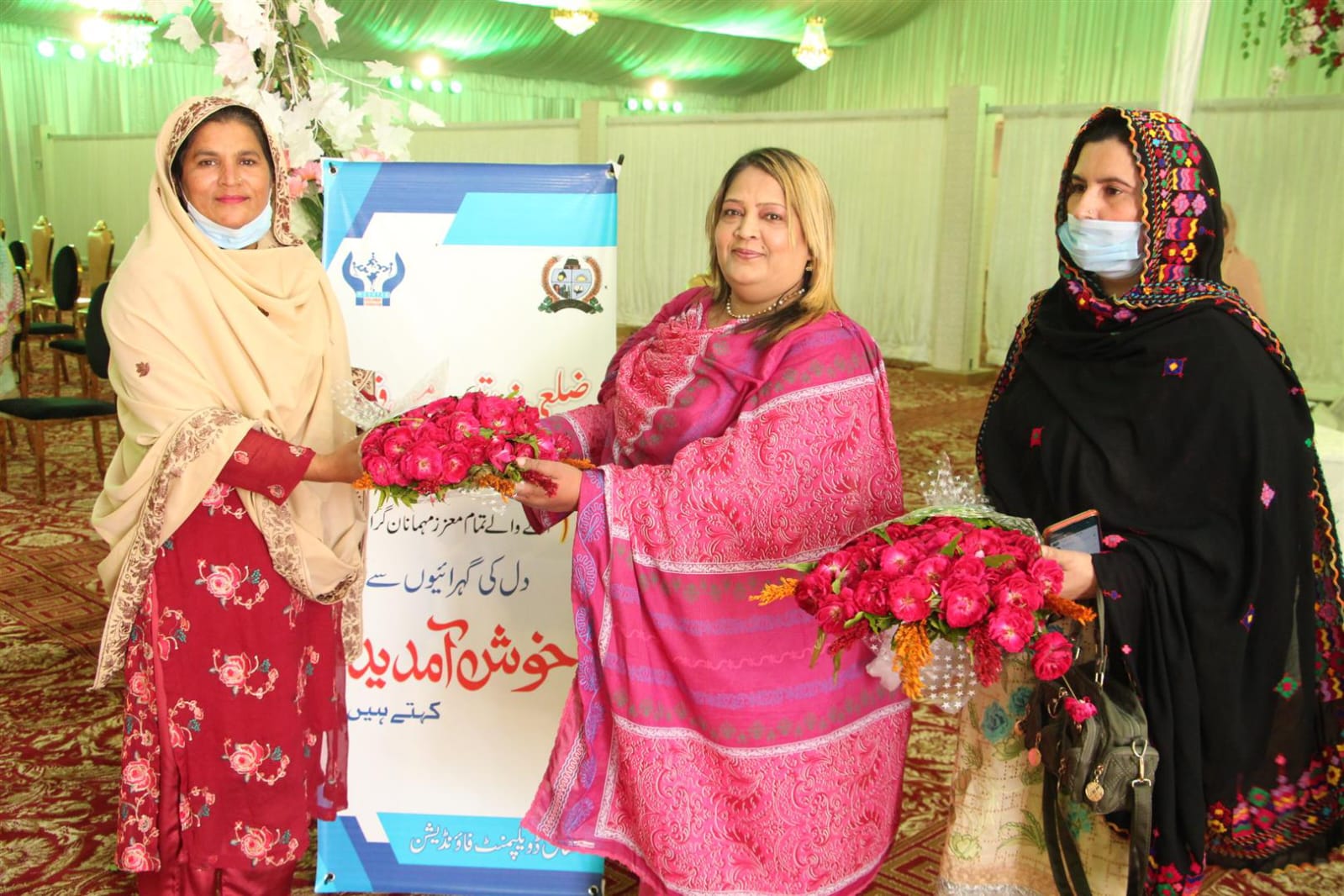
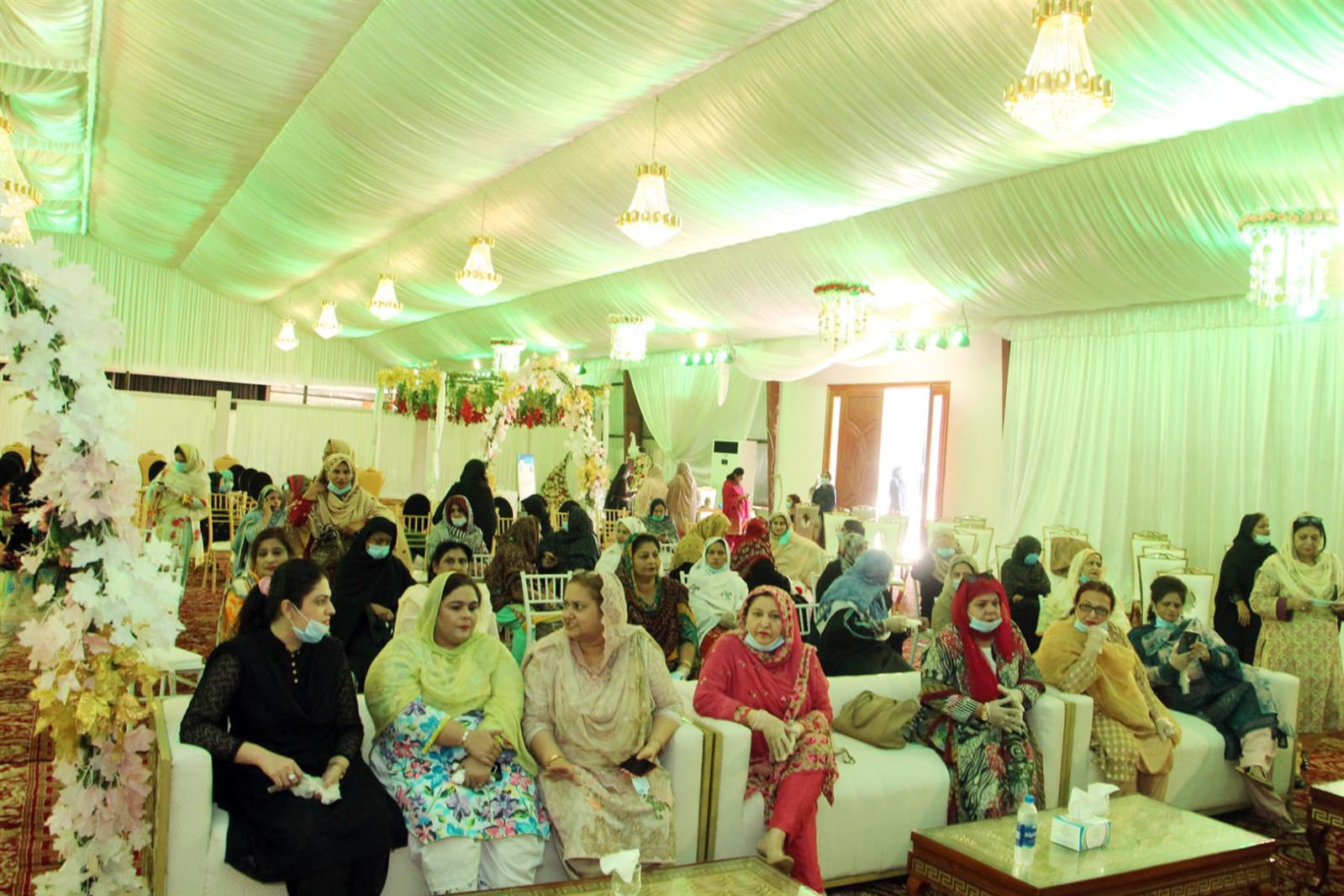
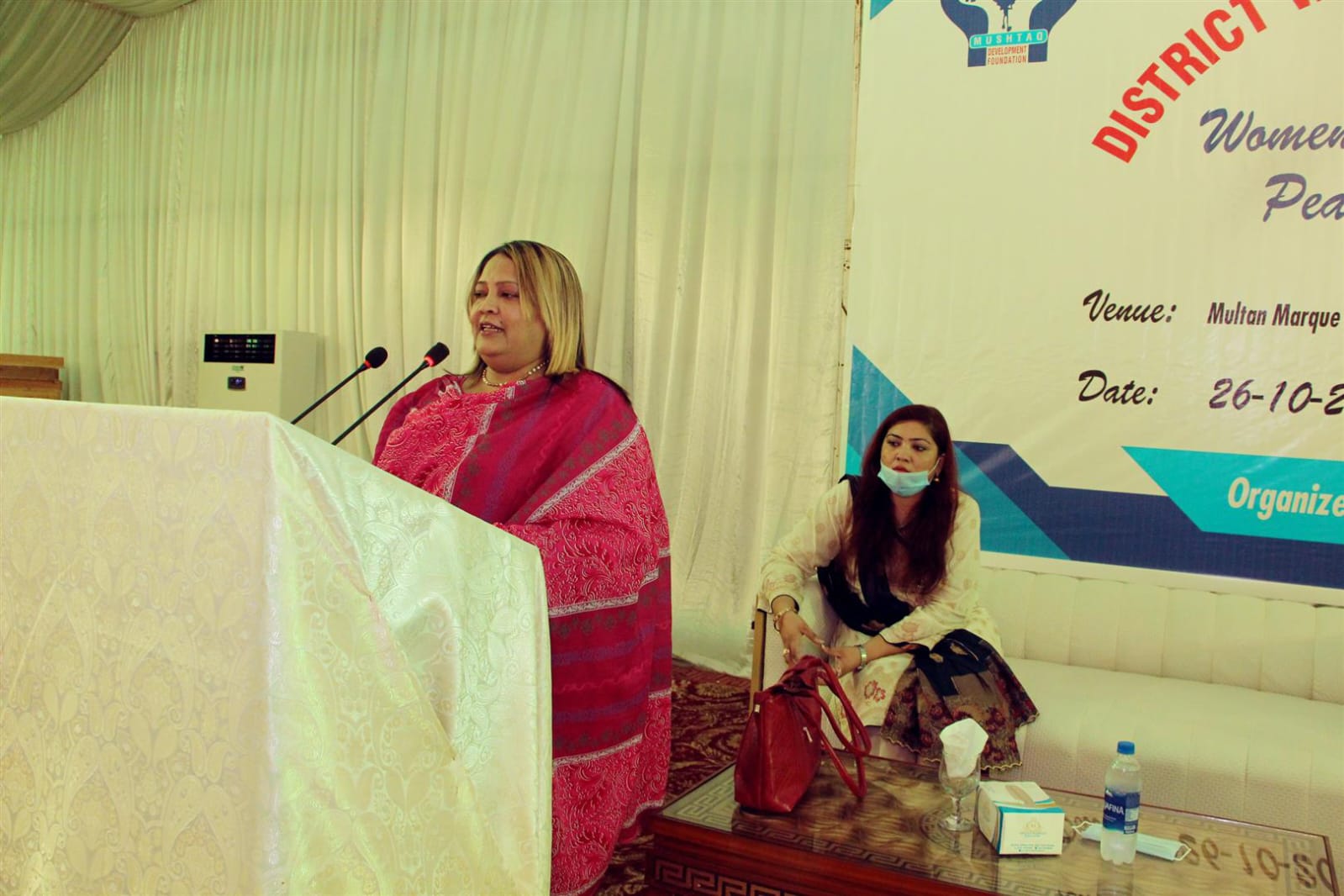
The Azm-e-Pakistan Project (Grant PCD100) was a flagship peacebuilding and community development initiative implemented by Mushtaq Development Foundation (MDF) in partnership with DAI Global LLC under USAID's broader Azm-e-Pakistan programme. Running from June to October 2020, the project targeted Multan district — a region historically significant for its rich cultural fabric and its potential as a hub for interfaith harmony.
Against the backdrop of increasing social fragmentation and the challenges posed by the COVID-19 pandemic, MDF designed a context-sensitive intervention that combined community dialogue, youth engagement, and women's leadership development to nurture a culture of tolerance and civic responsibility from within.
"True development begins when communities believe in their own power to build peace. Azm-e-Pakistan gave us the platform — our people provided the will."
— Andleeb Mushtaq, President, Mushtaq Development FoundationThe project concluded successfully in October 2020 with full compliance, clean financial reporting, and a DAI-verified project closure — a testament to MDF's institutional capacity and commitment to transparent, accountable development work.
What We Set Out to Achieve
The project was anchored around five core objectives designed to address both immediate social tensions and longer-term structural drivers of conflict in Multan.
Promote Interfaith Harmony & Social Cohesion
Facilitate structured dialogues between religious and community leaders to build mutual understanding, reduce sectarian rhetoric, and establish shared values of coexistence.
Empower Youth as Peace Ambassadors
Train and mobilize young men and women from diverse backgrounds to become active advocates of non-violence and constructive civic engagement within their communities.
Strengthen Women's Participation in Peacebuilding
Create inclusive platforms where women can meaningfully participate in community decision-making processes and local peace initiatives.
Counter Extremist Narratives
Deliver targeted awareness campaigns using media, community events, and grassroots networks to challenge extremist ideologies and promote a culture of critical thinking.
Strengthen Civil Society Linkages
Build operational networks between MDF, local government bodies, religious institutions, and community-based organizations to sustain peacebuilding efforts beyond project closure.
How the Work Was Done
MDF implemented a diverse portfolio of activities, each carefully designed to be culturally sensitive, COVID-compliant, and deeply participatory.
Community Dialogue Sessions
8 structured dialogue events across Multan's union councils, each bringing together a cross-section of community members to discuss shared challenges and solutions.
Youth Leadership Training
5-day residential training camps for 60 youth leaders covering conflict resolution, media literacy, public speaking, and grassroots advocacy skills.
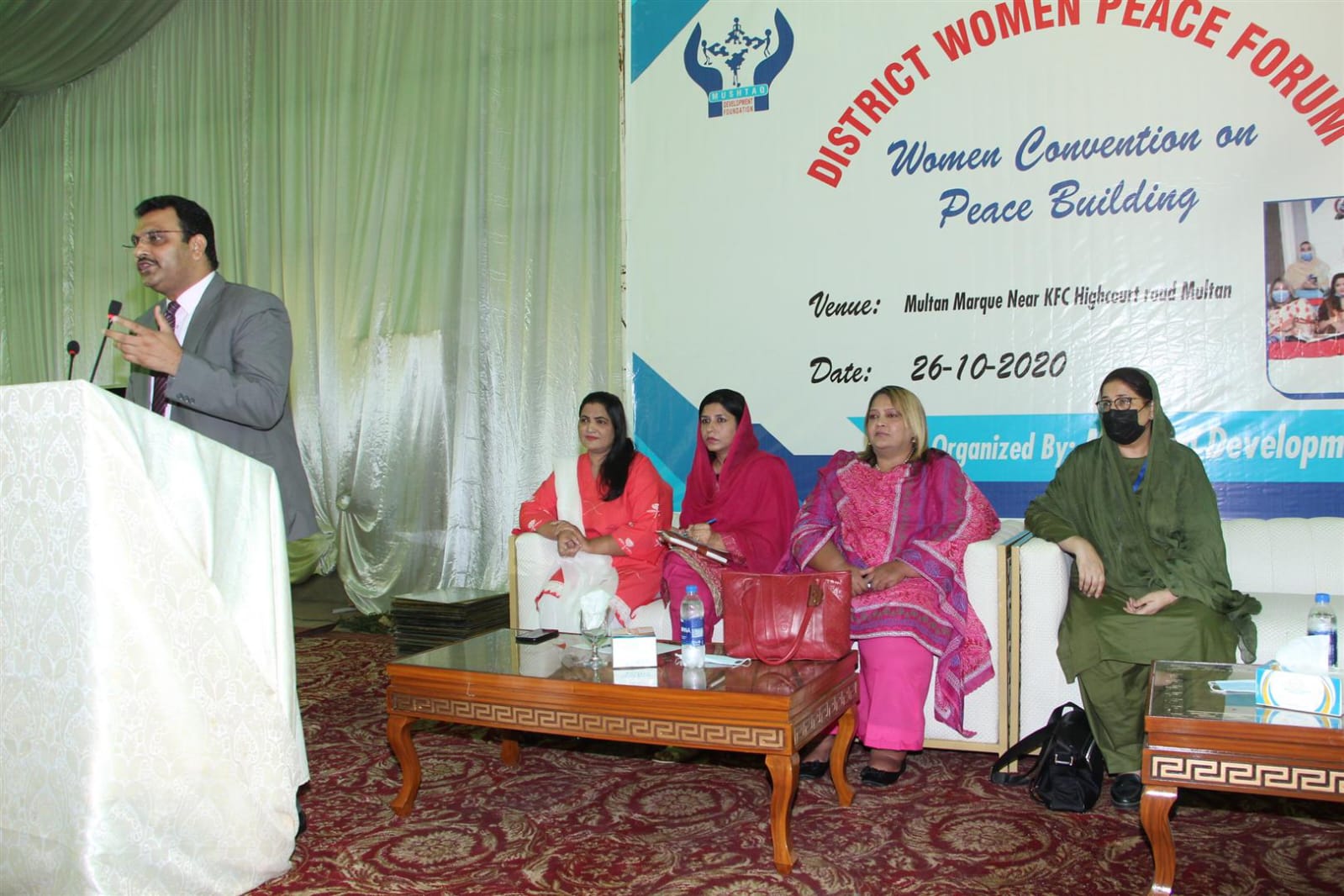
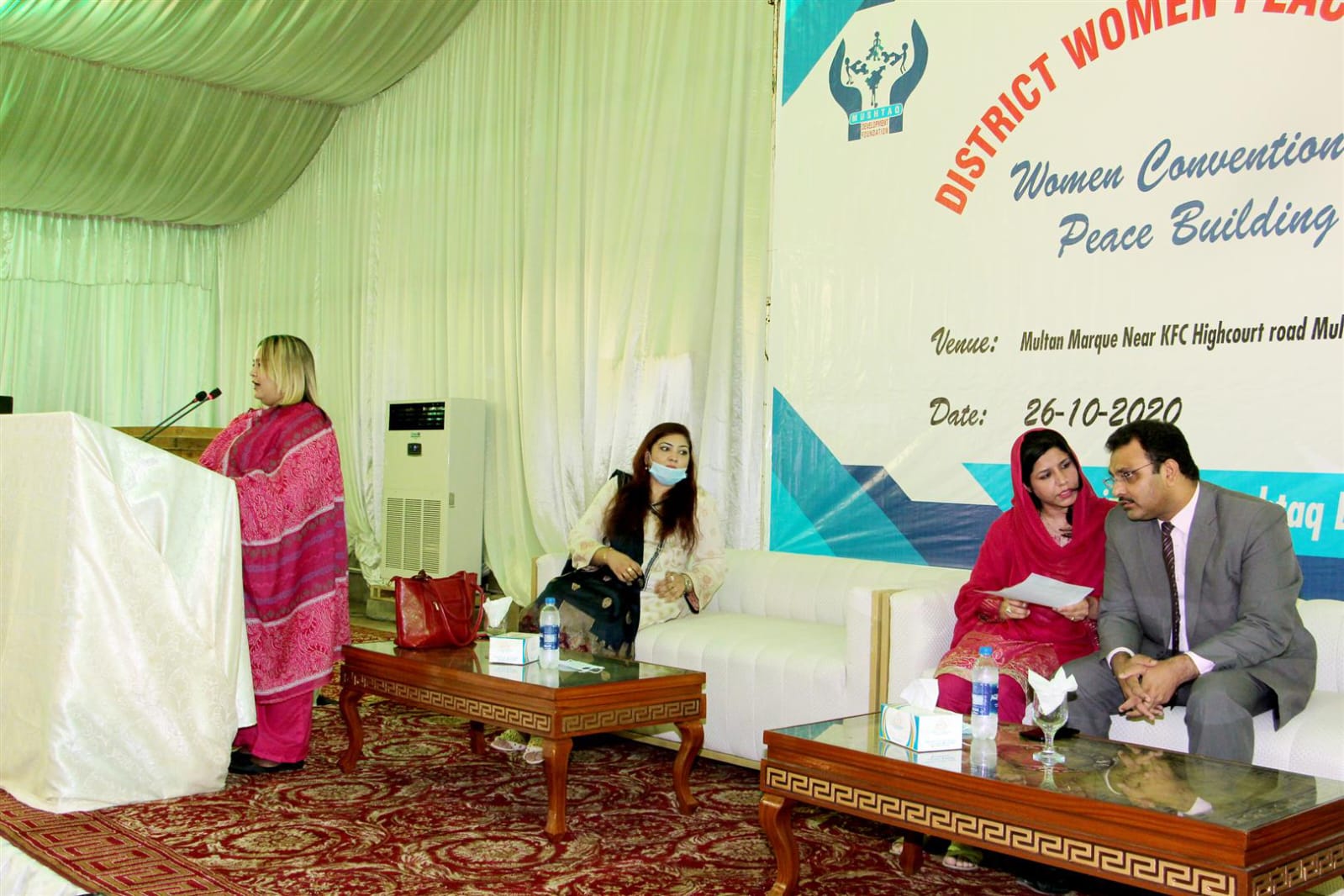
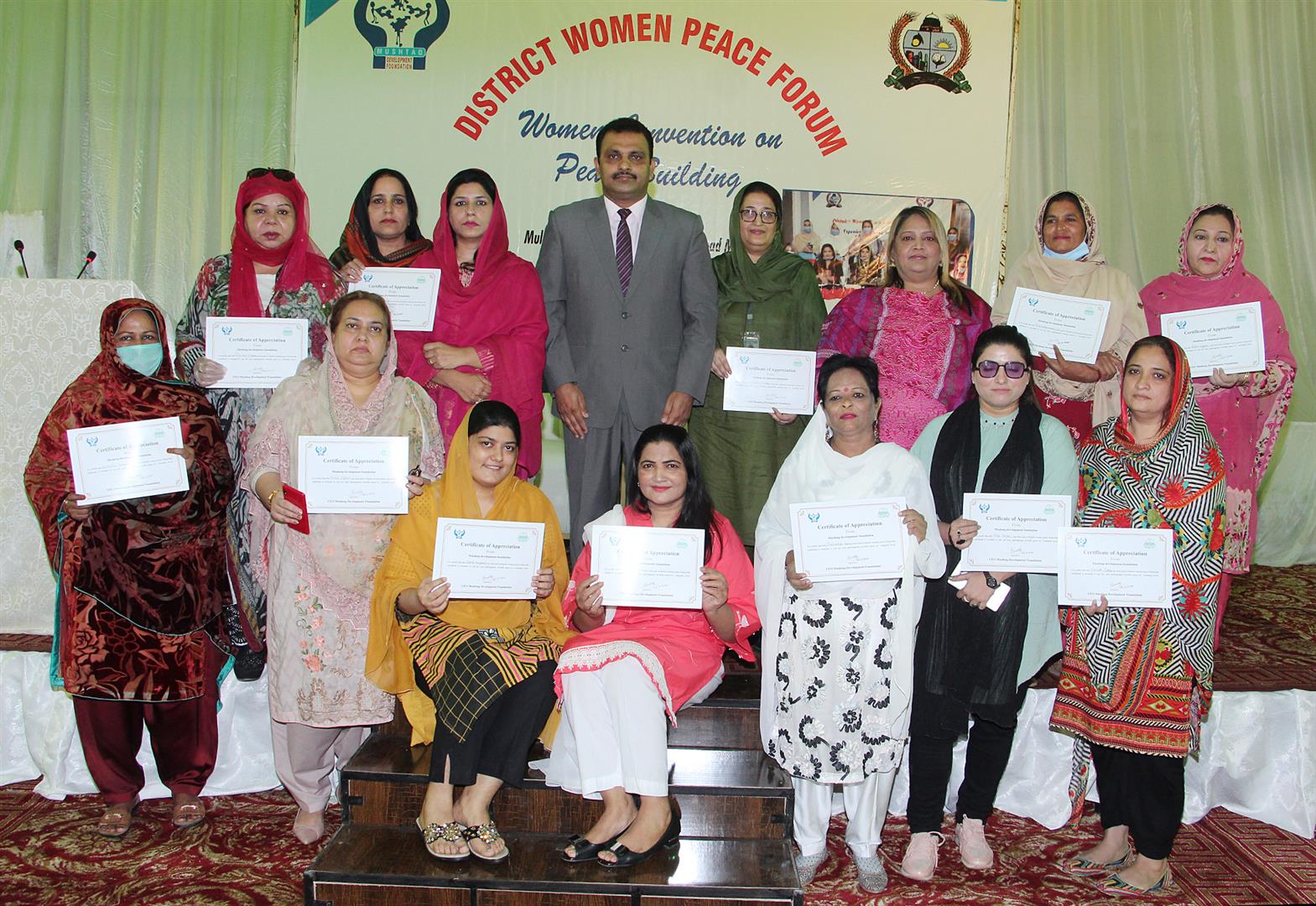
Interfaith Peace Convention
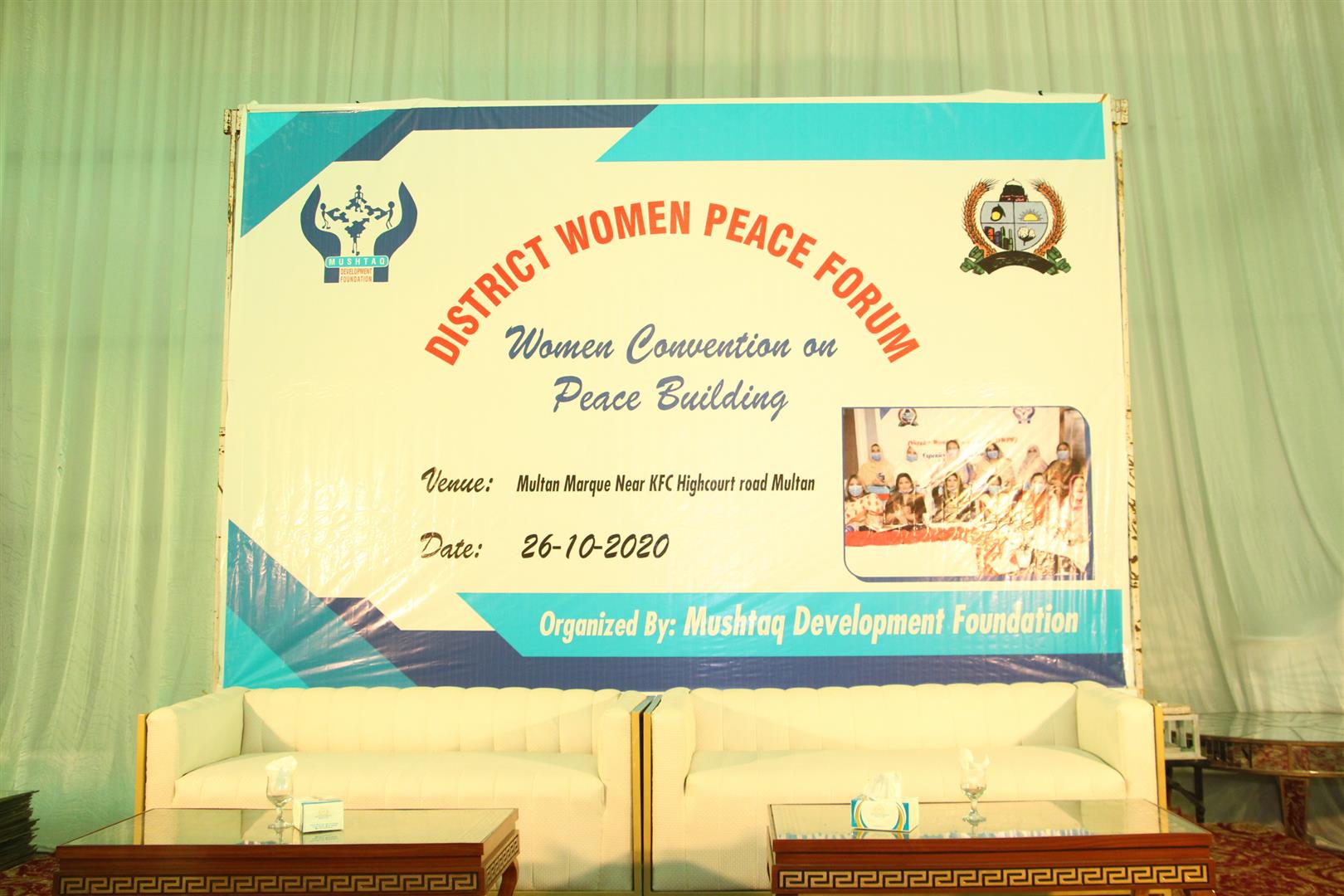
A large-scale convention uniting leaders from Muslim, Christian, and Hindu communities to jointly adopt a Peace Charter and commit to collaborative action.
Awareness Campaigns
Wall chalking, pamphlet distribution, and community radio programmes reaching over 5,000 households with peace messaging in Urdu and Saraiki.
Women's Empowerment Circles
Monthly women-only circles providing safe spaces for leadership development, legal rights education, and collective problem-solving in 4 union councils.
Compliance & Reporting
Rigorous monitoring, evaluation, and documentation through monthly progress reports, financial audits, and a comprehensive final project report submitted to DAI.
Impact We Delivered
By project closure, the Azm-e-Pakistan initiative had exceeded several key performance indicators set at the outset, while maintaining full financial compliance and earning commendation from the DAI programme team.
The project also resulted in the formation of three permanent Community Peace Committees — cross-sectional bodies that continue to operate as local conflict-resolution mechanisms in their respective neighbourhoods, ensuring the project's impact endures well beyond its formal conclusion.
Reflections for Future Work
The Azm-e-Pakistan project offered MDF invaluable institutional learning that continues to shape our programme design. Key takeaways include the critical importance of community co-ownership from the outset — projects that communities help design are far more likely to sustain beyond the funding cycle.
The COVID-19 context also pushed MDF to adapt rapidly, transitioning several in-person sessions to hybrid and outdoor formats while maintaining safety protocols. This built significant organizational resilience and demonstrated that programming need not be paralyzed by humanitarian crises when teams are agile and community trust is strong.
Finally, the DAI partnership highlighted the value of rigorous documentation and proactive communication with donors — practices that MDF has now institutionalized across all projects.