
Screening a Silent Epidemic
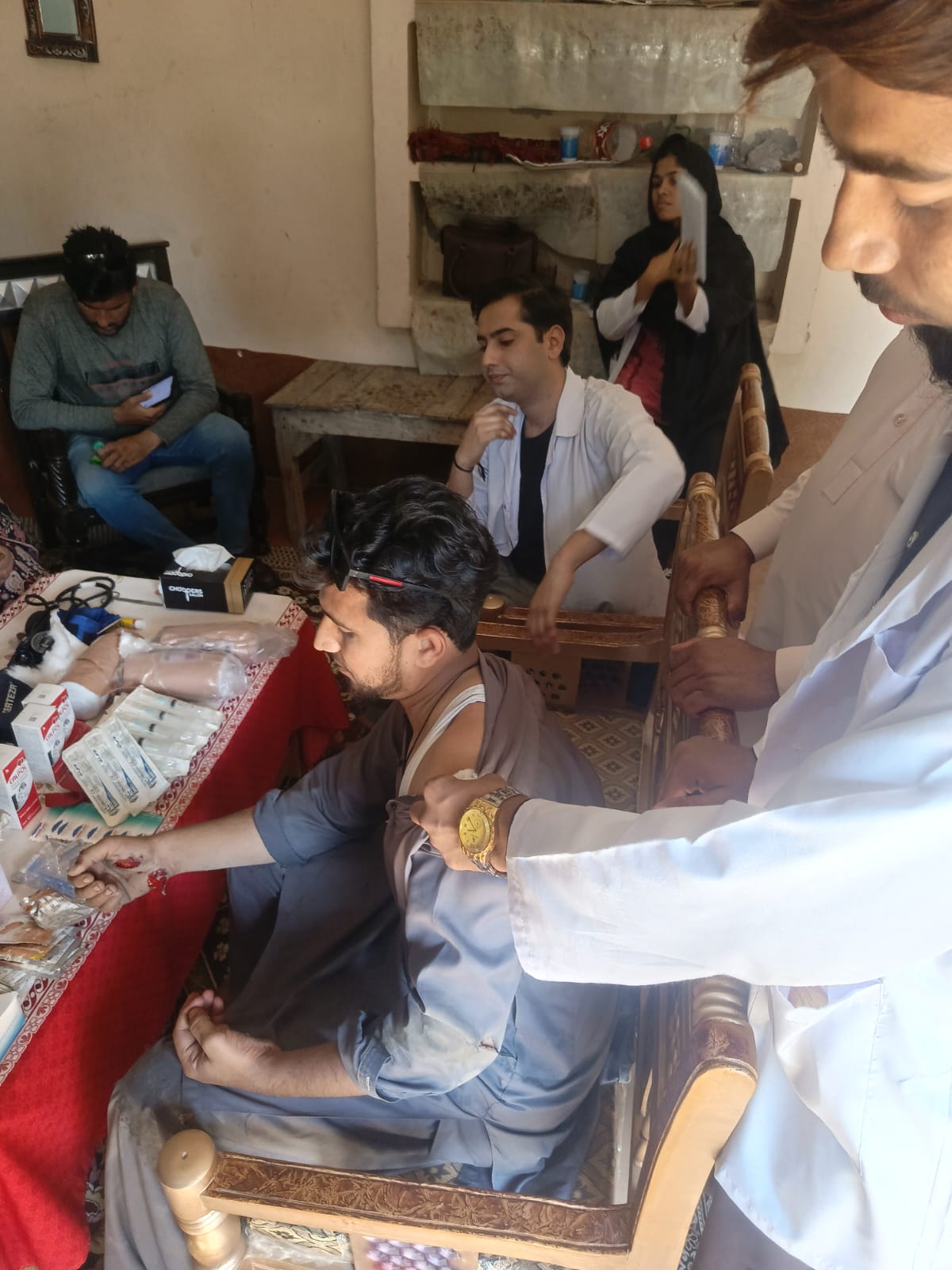
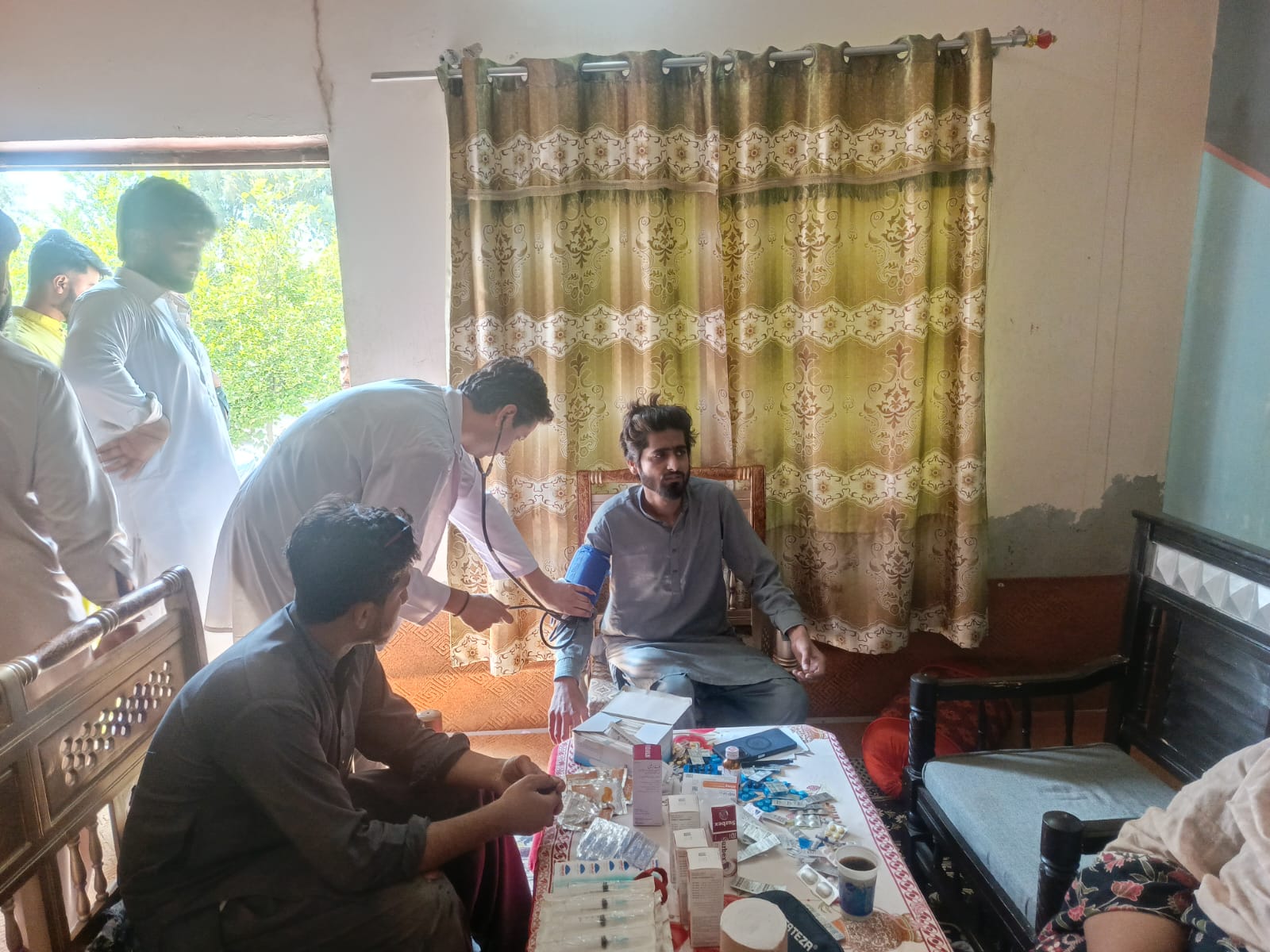
On 17 February 2018, Mushtaq Development Foundation partnered with Al Huda Medical Centre to hold a completely free sugar screening camp at Peer Khurshid Colony Street No. 7, Multan. The camp required no registration fee, no paperwork, and no prior appointment — every resident who walked in was tested and attended to at zero cost.
Diabetes is one of Pakistan's fastest-growing public health crises, yet awareness and early diagnosis remain critically low in urban low-income communities. Millions of Pakistanis live with undiagnosed diabetes — unaware of the long-term damage quietly accumulating in their bodies. This camp was MDF's direct response to that reality in Peer Khurshid Colony.
"Many residents had never had their blood sugar checked in their lives. The most important thing we could do was show up, make it free, and make it easy."
— Andleeb Mushtaq, President, MDFDiabetes in Pakistan
Pakistan ranks among the top ten countries in the world for diabetes prevalence. The disease disproportionately affects low-income urban populations — where processed food, sedentary work, and limited healthcare access combine to create the perfect conditions for undiagnosed Type 2 diabetes.
By bringing testing directly into the neighbourhood — at no cost, with no barriers — MDF and Al Huda Medical Centre ensured that early-stage diabetic patients who would otherwise never seek care received timely identification and referral.
Completely Free — No Exceptions
Every service offered at the camp was provided at absolutely no charge. There was no token fee, no hidden cost, and no means test. The camp was open to every resident of Peer Khurshid Colony Street No. 7 and surrounding streets.
Specialist Diabetes Care On-Site
Al Huda Medical Centre deployed trained medical staff and equipment to deliver a full spectrum of diabetes-related services directly in the community.
Blood Sugar Test
Instant glucometer-based fasting and random blood glucose readings with immediate results for every participant.
Physician Consultation
Qualified doctors reviewing test results on-site, assessing symptoms, and providing personalised medical advice.
Risk Counselling
One-on-one sessions helping patients understand their diabetes risk level and what steps to take next.
Diet & Nutrition Guidance
Practical, affordable dietary advice tailored to local food habits — helping families manage sugar intake effectively.
Awareness Materials
Printed Urdu and Saraiki pamphlets on diabetes symptoms, prevention, and when to seek further medical help.
Hospital Referrals
High-risk patients issued referral slips to Al Huda Medical Centre for follow-up HbA1c tests and specialist review.
How the Day Ran
The camp followed a streamlined process — walk in, get tested, consult a doctor, receive guidance. No queuing system, no paperwork, no fee.
Setup & Arrival
Al Huda Medical Centre team arrives with glucometers, test strips, and medical supplies. MDF volunteers set up the registration desk, patient seating, and awareness display boards at Street No. 7.
Testing Begins
Blood sugar testing stations open. Residents walk in freely — both fasting and random glucose levels measured. Results given instantly with a brief explanation from trained staff.
Physician Consultations
Patients with elevated readings seen immediately by doctors. Normal-range patients also offered a brief consultation and dietary advice. Female doctors available throughout for women patients.
Awareness Sessions
MDF volunteers and medical staff conduct short group sessions on diabetes prevention, the dangers of excess sugar intake, physical activity, and recognising warning signs.
Camp Closes
Final patients seen and referral slips issued. Pamphlets distributed to all attendees. Camp successfully concludes with full results logged by the Al Huda Medical Centre team.
Reaching Residents at Risk
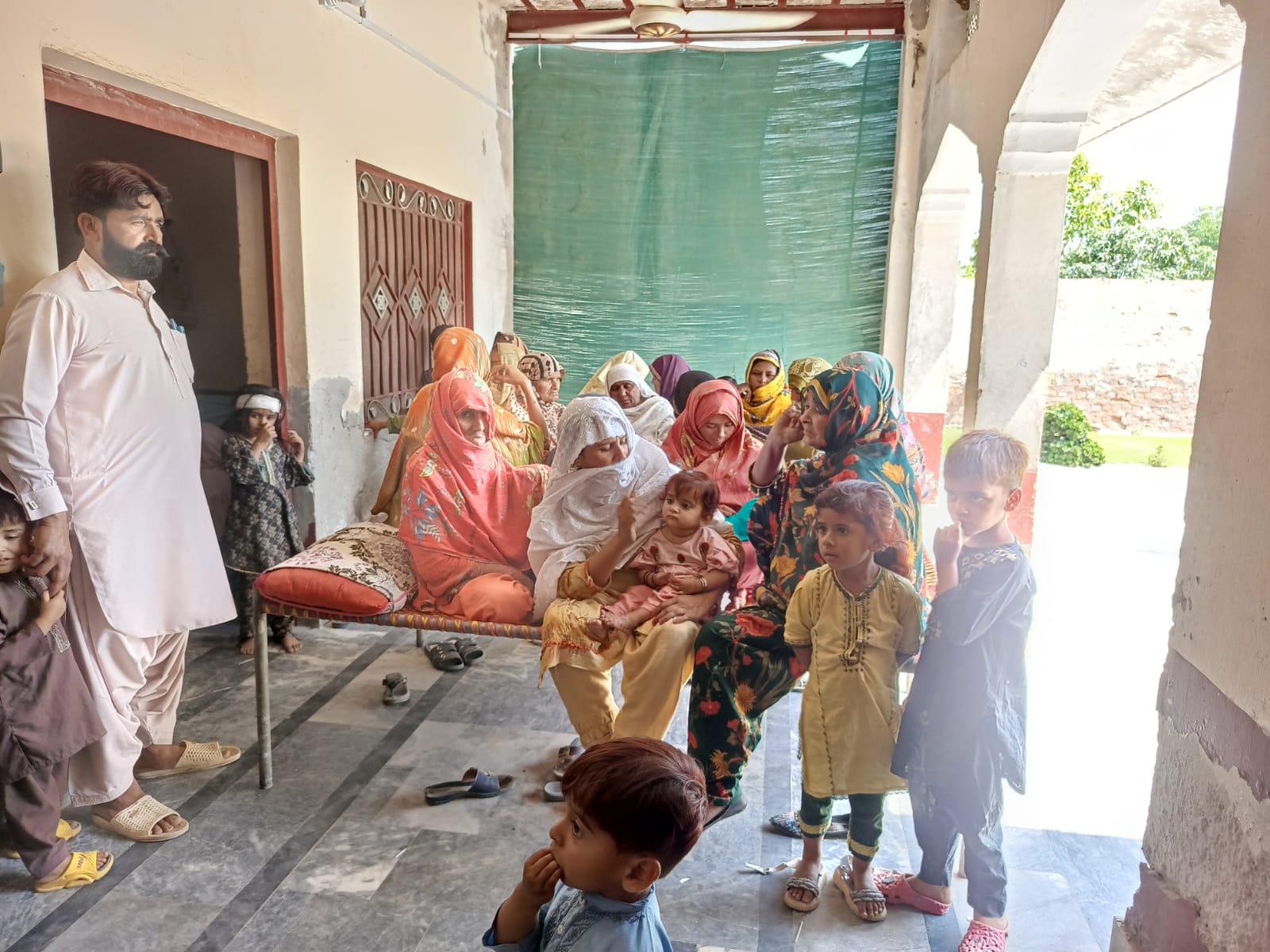
The camp drew a strong turnout from Peer Khurshid Colony Street No. 7 and neighbouring streets. A significant number of attendees had never had their blood sugar checked before, underscoring the critical need for exactly this kind of grassroots outreach.
Particular attention was paid to elderly residents and women — two groups with significantly higher undiagnosed diabetes risk in South Punjab — with dedicated seating, shorter wait times, and female medical staff on hand throughout the day.